Brampton Cleaning & Hygiene
Your operation needs consistent cleaning schedules tailored to unique hazards, daily throughput, food allergens, and inspection schedules, including verifiable documentation confirming HACCP requirements, inspection compliance, and health department standards. The details below provide details about essential cleaning protocols.
Essential Summary
- Food safety cleaning specialists in Brampton work with restaurants, grocery departments, commissaries, warehouses, bakeries, schools, mobile vendors, and allergen-sensitive operations.
- Area-specific procedures disinfect frequently contacted areas, food-contact equipment, kitchens, floors, drains, restrooms, and storage areas for preventing cross-contamination.
- Certified specialists validate approved sanitizer dilution, alignment, and exposure duration, then document conclusion with checks, reviews, and remedial documentation.
- Regular, recurring, and periodic tasks allocated by section constitute sanitation schedules grounded on risk, production rate, changeovers, releases, and requirements.
- Providers need to exhibit hazard analysis knowledge, health regulatory expertise, safety training instruction, liability, references, coded implements, and assessment-ready maintenance documentation.
Which Brampton Venues Need Food Safety Cleaning?
You must follow food safety cleaning if your operation is regulated by health inspections, food codes, or HACCP protocols. This covers food venues, break rooms, food centers, supermarket areas, butcheries, seafood displays, shops, and commercial food prep.
Documented food safety measures proves essential in warehouses, food manufacturing plants, cold storage sites, retail bakeries, school nutrition programs, banquet halls, and meal delivery hubs. Temporary mobile establishments count too, including catering trucks, festival vendors, and pop-up food booths. Your venue needs written cleaning standards when your employees handle raw materials, divide prepared dishes, warm meals, or keep allergens stored. In Brampton, cleanliness is not voluntary; it forms part of lawful, operational, and customer protection standards.
What Services Do Brampton Cleaning Experts Provide?
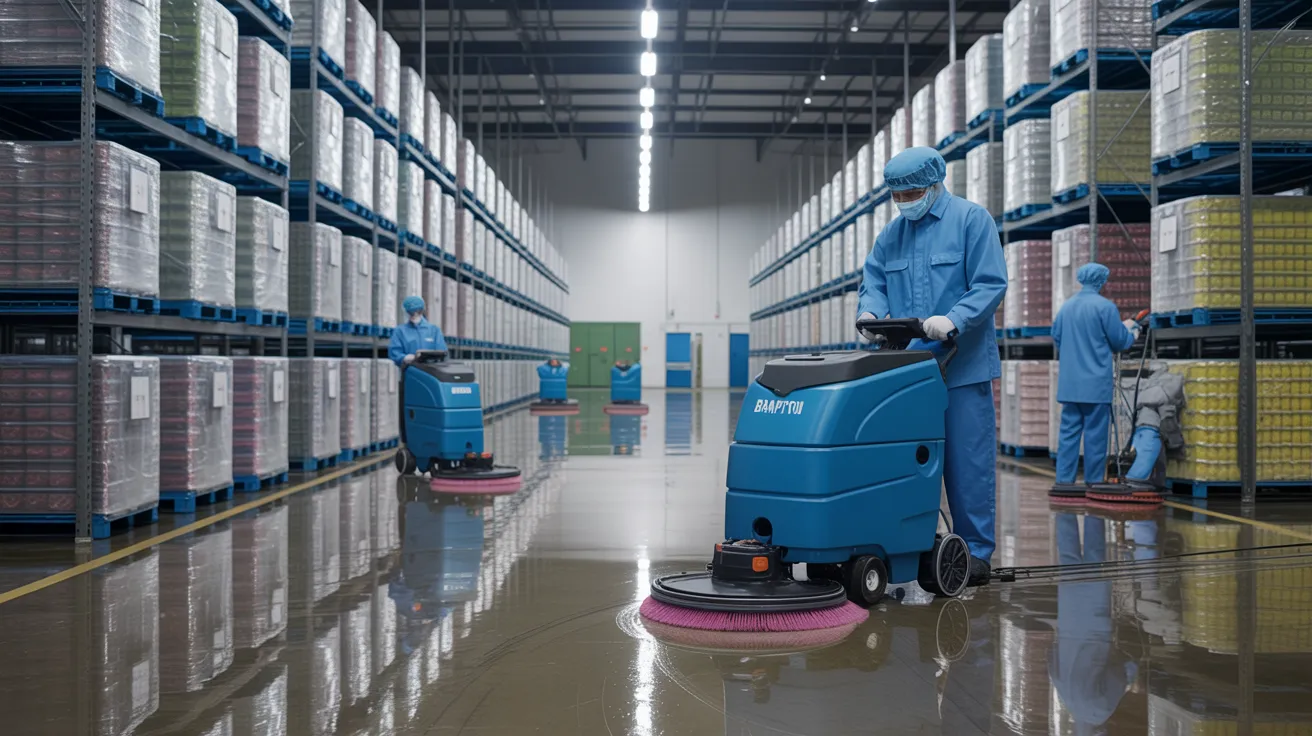
Professional cleaning services specializing in Brampton disinfect high-contact surfaces, food preparation areas, ground surfaces, and sanitary facilities to satisfy food safety standards and health requirements. Focus on these locations occurs because they pose maximum contamination danger, injury hazards, and compliance issues.
If you comprehend their cleaning services, you'll be able to confirm your facility meets all operational and regulatory compliance needs.
Critical High-Touch Surface Disinfection
develop a sanitizing schedule
swabbing methods to check cleaning outcomes
Kitchen Areas, Floor Surfaces, and Bathroom Spaces
Brampton cleaning professionals will handle kitchens, floors, and restrooms since each space presents separate hygiene concerns, slip-and-fall, and community health challenges. In industrial kitchens, you need grease removal from cooking stations, appliance surfaces, drain systems, preparation areas, and backsplashes to minimize contamination and pest pressure.
Professional floor care with documentation is also included. is likewise provided as part of the service.
Restroom sanitation involves sanitizing touchpoints, fixtures, partitions, dispensers, and waste containers, restocking supplies and controlling odours. They also service restaurant moprooms, where chemical storage, sink hygiene, and drainage conditions can affect sanitation compliance and staff safety daily.
How Food Safety Cleaning Benefits Brampton Operations
Brampton facilities require proper hygiene standards to meet health code requirements and pass inspections. You also reduce bacterial spread through proper cleaning of food-preparation surfaces, appliances, and frequently-touched items. Most importantly, you help protect public health by lowering the risk of foodborne illness in your facility.
Sanitary Standards Adherence
Because Brampton food operations operate under stringent health requirements, food safety cleaning directly impacts your ability to meet health code requirements, safeguard customers, and sidestep enforcement action. You must maintain clean food preparation areas, verifiable cleaning logs, proper chemical use, and auditable operational standards that correspond to municipal and provincial inspection expectations.
Failure to maintain cleaning standards poses threats notices, corrective directives, reputational damage, and operational suspension during additional reviews or enforcement actions.
Cross-Contamination Prevention
Following regulatory requirements depends on your ability to prevent cross-contamination in routine food work and sanitation. You must separate raw ingredients from ready-to-eat foods, sanitize prep surfaces between tasks, and maintain separation of cleaning products from food. Clear procedures reduce transfer risks and promote steady regulatory adherence.
Building allergen segregation prevents key allergens from reaching shared surfaces, containers, or equipment. Leverage separate cutting boards, colored implements, and strict utensil labeling so staff don't mix items during preparation or service.Enforce handwashing after handling uncooked meats, shellfish, egg items, or allergen substances. Swap wiping cloths regularly, and confirm disinfectant efficacy using test strips. When your team follows these practices each shift, you foster a cleaner, more secure operation that meets Brampton's food safety expectations consistently.
Public Health Protection
If proper sanitation declines, you don't merely risk source a failed inspection—you boost the probability of foodborne illness harming customers, staff, and the broader Brampton area. You also weaken your role in safeguarding community wellness, especially in high-traffic food premises where contamination can spread quickly through surfaces, equipment, and touchpoints.
You need sanitation procedures that eliminate contaminants, sanitize correctly, and verify results. That means following exposure periods, employing authorized sanitizers, recording cleaning times, and educating employees to meet regulatory standards. These measures facilitate pathogen reduction by reducing pathogens before they reach food or hands. In Brampton, strong sanitation protects vulnerable populations, prevents disease spread, and enables you to show due diligence. When you maintain proper standards, you don't just meet regulations—you actively reduce risk and promote secure food handling citywide.
How Does Cleaning Support Food Safety Compliance?
Strict sanitation practices strengthen food safety compliance by minimizing contamination hazards, preventing pathogen multiplication, and positioning your facility in accordance with sanitation requirements under HACCP-based programs and public health regulations. You ensure that contact surfaces remain visibly clean and microbiologically controlled, supporting documented preventive controls and inspection readiness.
Effective cleaning also reinforces allergen mitigation by eliminating residues that can lead to undeclared allergen exposure. by eliminating residues that can lead to undeclared allergen exposure.
What's the Ideal Time to Plan Commercial Cleaning?
daily routine cleaning
facility closures, weather-related soil accumulation, or times of high pest concerns. If your facility holds promotions, catering, or public functions, plan cleaning immediately before and after for optimal event turnaround
Selecting the Right Brampton Cleaning Experts: Key Considerations
Start by screening providers against food-safe sanitation requirements, not cost only. You should verify that each company understands CFIA, public health, and HACCP compliance standards relevant to your facility. Ask for insurance documentation, WHMIS compliance, documented staff training, and supervision practices. Review whether technicians understand contamination prevention, chemical handling, and traceable sanitation records.
Additionally, you need to evaluate operational reliability and accountability. Obtain references from food facilities in Brampton, then review service speed, corrective measures, and communication practices. Verify the company supports supplier audits and can deliver inspection-ready documentation when inspectors or external parties need proof. Verify equipment is maintained, color-coded equipment are applied correctly, and site-specific hazards are identified. A capable service protects compliance, product quality, and your brand reputation.
Which components are contained in a hygiene cleaning program?
Establish a documented plan that clarifies every sanitation duty, standard, and accountability before production begins. You should specify cleaning frequencies, approved chemicals, dilution rates, contact times, tools, and verification methods for each sector, surface, and equipment. Add pre-operational inspections, corrective actions, and employee training requirements.
Your program should also address contamination prevention, garbage management, pest control procedures, and recorded timelines for restrooms, drains, floors, and food-contact areas. Detail how you'll keep raw and prepared foods apart, support ingredient tracking, and ensure accurate allergen labeling through validated cleaning between product changes. You should assign accountability, keep signed records, and review results against regulatory standards, HACCP controls, and customer requirements. When gaps appear, update procedures immediately and re-educate staff.
Frequently Posed Questions
Can sanitation providers accommodate overnight shifts in Brampton properties?
If you operate regulated spaces, you'll also need documentation that support inspections and maintain compliance.
Will sanitation professionals respond to hazardous incidents?
Yes, you can discover many Brampton sanitation experts providing hazard containment services. They manage contamination, evaluate risks, contain affected zones, and initiate rapid cleanup to reduce risk and avoid operational impact. You should verify response rates, certifications, safety protocols, and waste procedures. If your facility must meet compliance standards, select a service that documents events, follows procedures, and ensures audit compliance.
Do eco-friendly disinfectants operate safely on surfaces contacting food?
Absolutely, natural disinfectants remain appropriate for food preparation areas when you choose solutions certified for food use and regulatory compliant. You must validate exposure duration, concentration levels, and rinse protocols prior to application. Botanical formulations decrease chemical burden, though you still need evidence of effectiveness against specific pathogens. For keeping surfaces residue-free, adhere to exact manufacturer guidelines and verify the sanitizer meets food sanitation requirements.
Can cleaning schedules be modified for seasonal variations?
Absolutely, maintenance plans allow customization for seasonal shifts. Adapt frequencies, staff levels, chemicals, and testing procedures to fit production rhythms while sustaining regulatory compliance. Minimize production interruptions through planning disinfection surrounding production shifts, peak volumes, and usage patterns. Additionally update SSOPs, employee training, and environmental monitoring to capture periodic risks, additional allergens, or increased soil loads. Continuous reviews maintain your strategy functional.
Do professional cleaners instruct your team in sanitation best practices?
Indeed, commercial cleaning providers typically provide staff training on sanitation best practices. Your team obtains training on safe chemical application, exposure durations, preventing cross-contamination, equipment breakdown, and documentation. They typically follow instruction with HACCP, GMP, and CFIA or regional health standards requirements. Many perform sanitation audits to confirm standards, reveal issues, and strengthen improvement measures. This assists you to maintain consistent procedures, pass inspections, and reduce food safety risks each day.
Final Thoughts
Through engaging Brampton food safety and commercial cleaning specialists, you do far more than tidy—you ensure your facility for audits and your procedures stay aligned with regulations. From kitchen spaces to processing areas, all maintained surfaces and kept corners help prevent pest problems and prevent significant costs. Through booking service on suitable timelines and sticking to a solid cleaning plan, you safeguard employees, your patrons, and your good name. Within strict regulatory frameworks, proper sanitation must be a priority—they are fundamental to success.